Are we ready to be diagnosed by AI doctors?

The WAEH and Artificial Intelligence – Possibilities and Pitfalls
Read our white paper about Artificial Intelligence – WAEH
Within the next decade artificial intelligence (AI) and ‘big data’ will change the face of medicine. Doctors and patients will be confronted with fundamental changes in the fields of diagnostics and in the organization of medical care. A recent survey by HIMSS (a global organization dedicated to the improvement of health through information technology) showed that half of the world’s hospitals expect to introduce AI in the next five years. Another survey, conducted under 11.000 patients worldwide by the accountancy firm PriceWaterhouseCoopers, shows that the majority of patients won’t mind that doctors will be supported or replaced by computers or robots. Is this going to be true or do we need to research it ourselves a little bit more in detail? Are patients ready to be diagnosed by AI-doctors (and having their organs 3D printed, or having nanometer-sized robots roaming around in their body to monitor their health)?
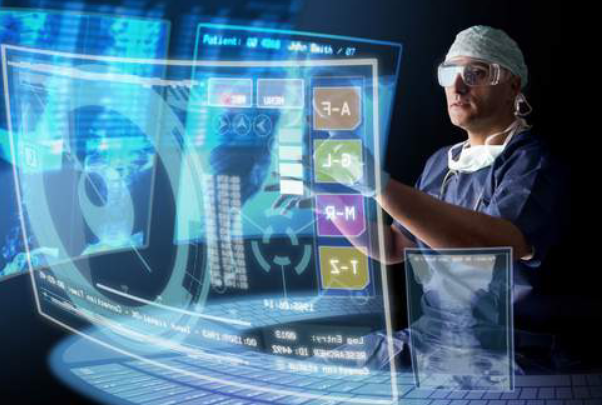
source: Gigaom
At this moment the greatest challenge healthcare is facing is the aging of the population, and the surge in age related chronic diseases. Consequently, medical care is gradually shifting from ‘repairing’ intrinsically healthy patients to monitoring health and supporting and improving quality of life. In recent years, and the coming decades, care workers will give more attention to what patients are still able to do instead of what they can’t, and to organizing care outside the hospital: in the community, by members of the family and at home.
Technology will play an important part in this process. The introduction of AI will fundamentally change the way diseases are diagnosed and treated. AI will make diagnostics faster, cheaper and more reliable than present procedures. AI computers, fed with massive amounts of information (‘big data’), should be able to equate human experience and expertise within a few years. Now, diagnosis still is one of the four main functions of a hospital (next to advice, treatment and aftercare). But chances are that, thanks to AI, a large part of diagnostics will be automated and that private clinics will take over a significant part of this activity.
Want to know more about Artificial Intelligence and how it is currently implemented in eye hospitals all over the world? Read our whitepaper about Artificial Intelligence. Read more